Foraged
pigments
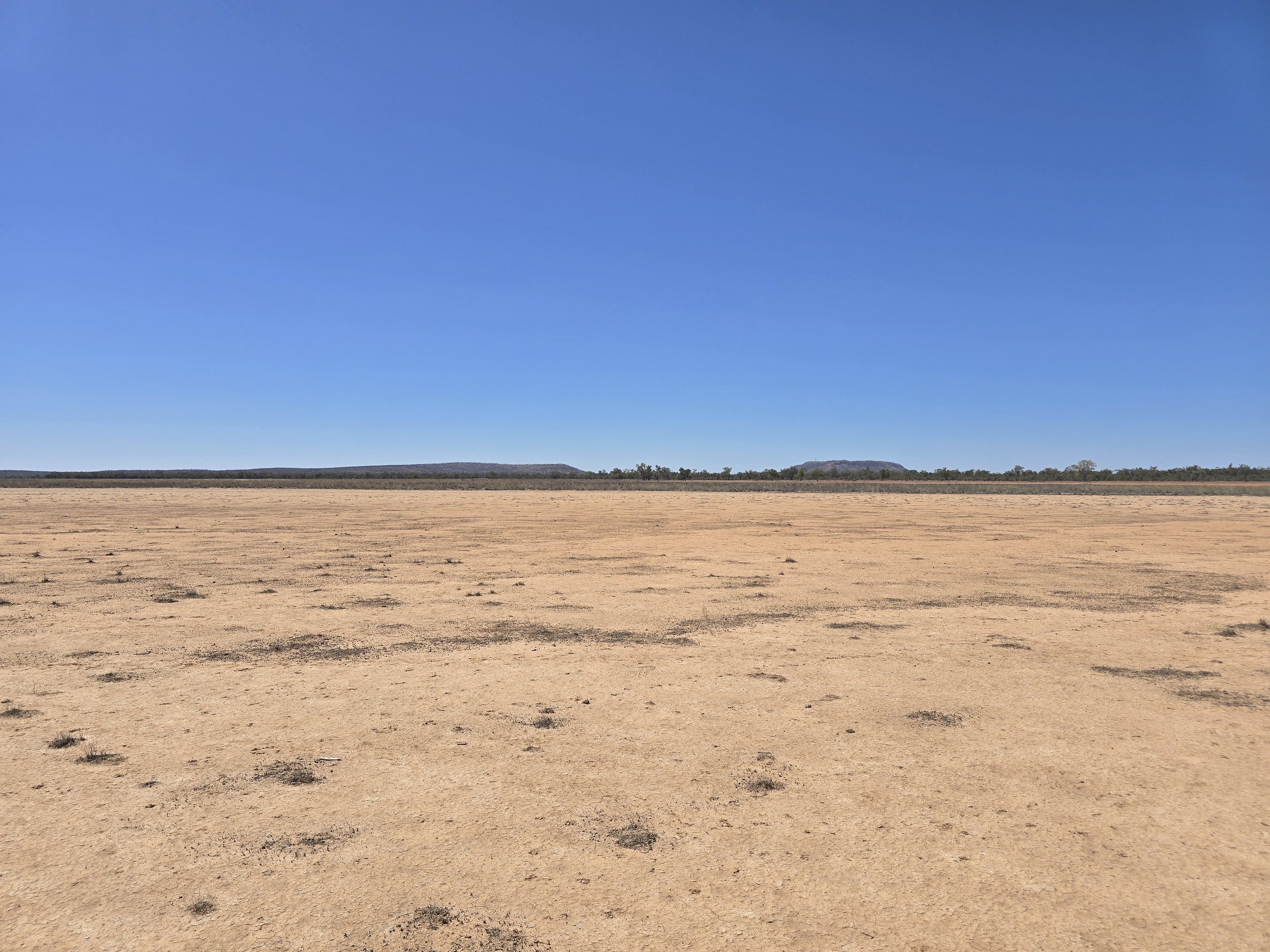

I collect earth pigments directly from the landscape — ochres, clays and mineral-rich soils shaped by time, weather and use. This process isn’t separate from the work. It is the work. Walking, looking, gathering, noticing subtle shifts in colour and texture. It slows everything down.
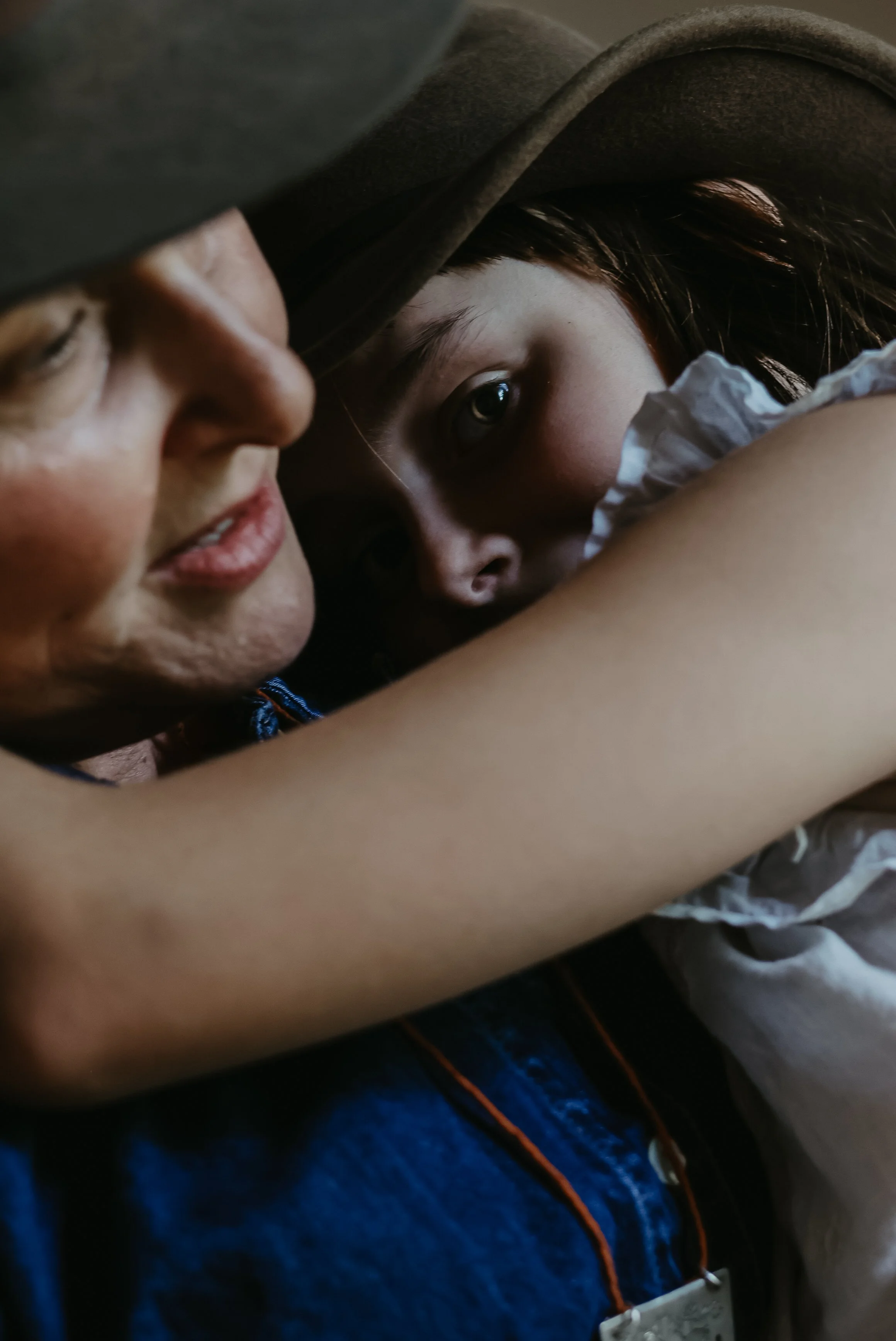
These moments are often shared with my family. It has become a quiet ritual between us — time spent outside, hands in the earth, learning to see what’s already there. There’s something important in that. A passing on of attention, care and connection to place.
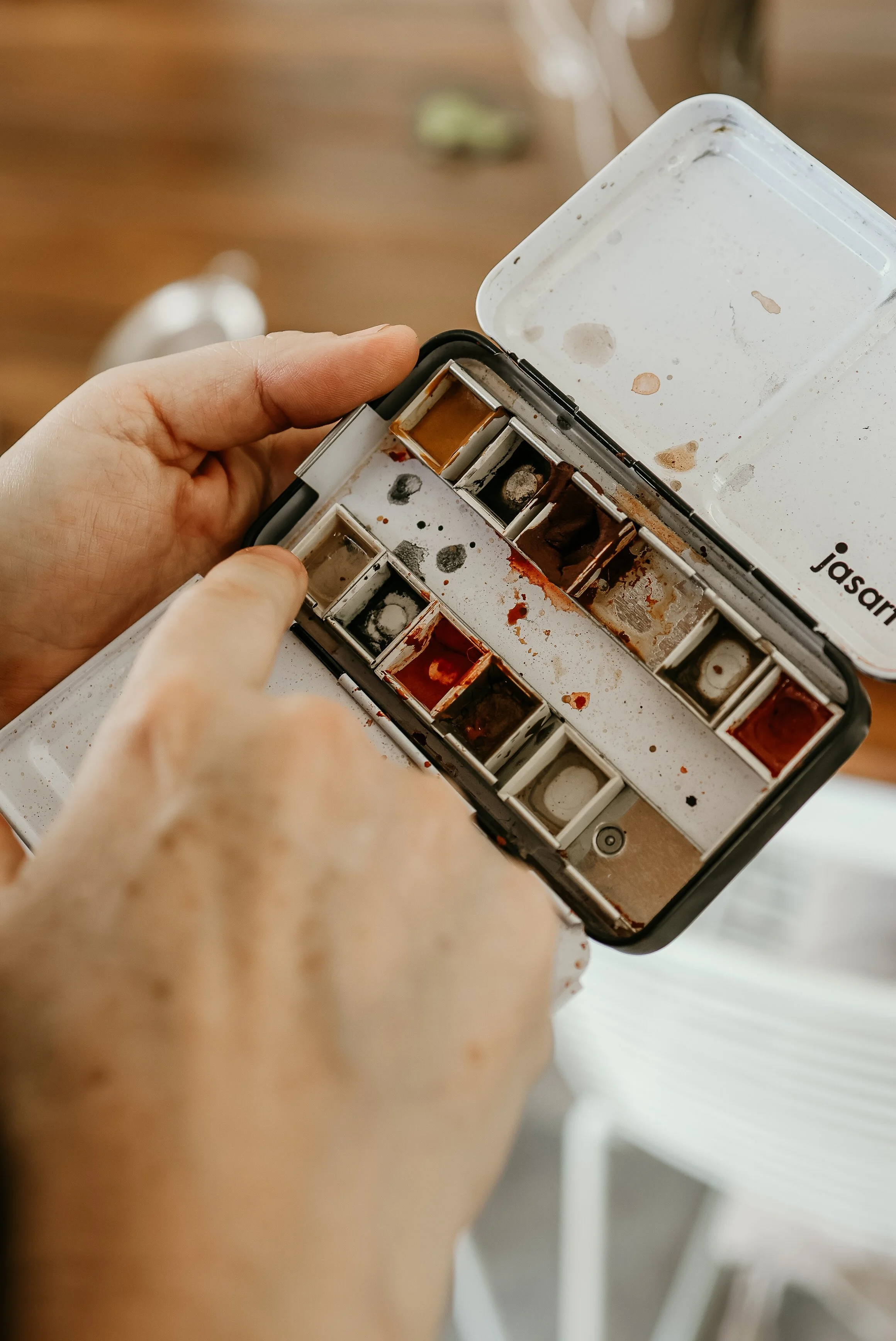
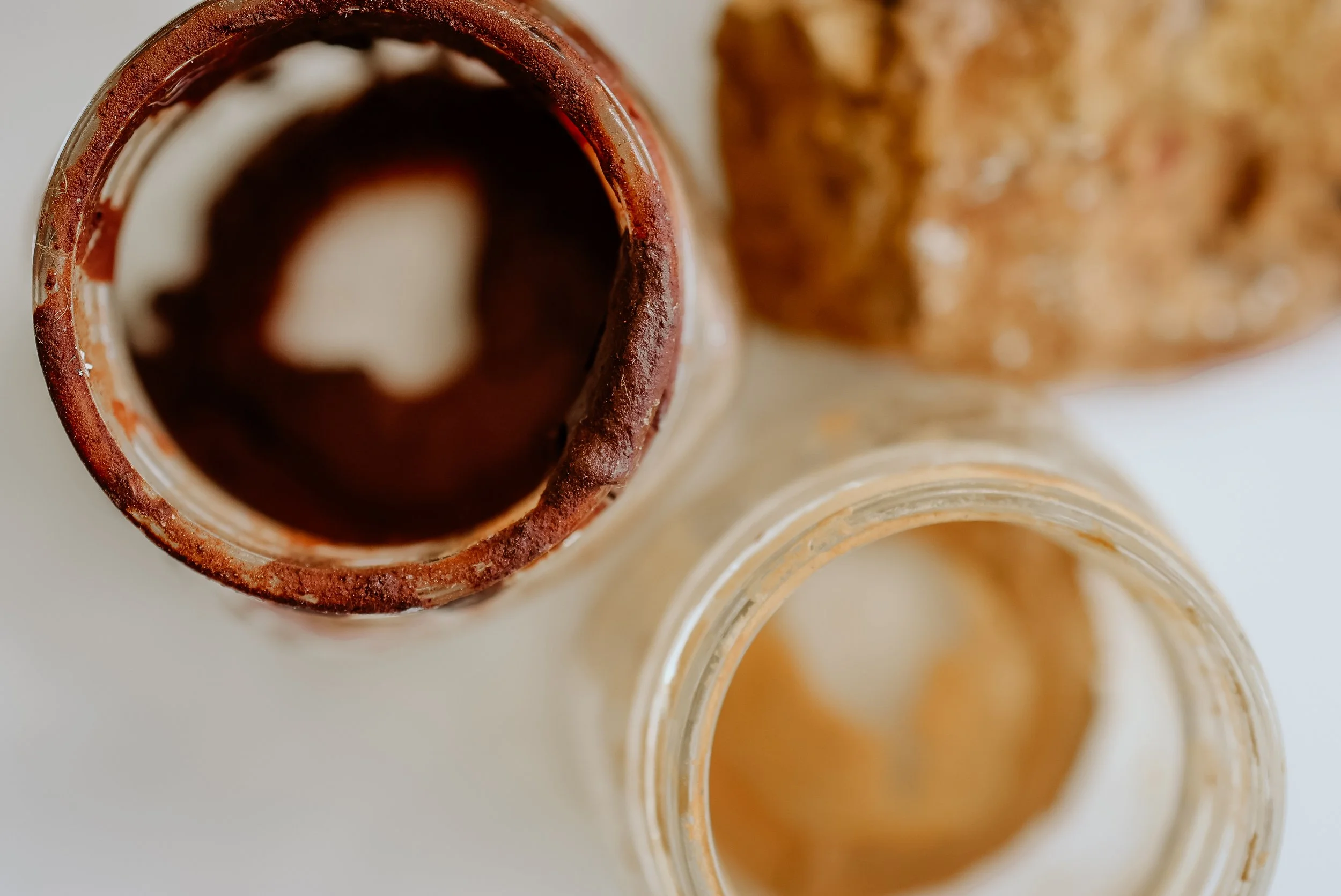
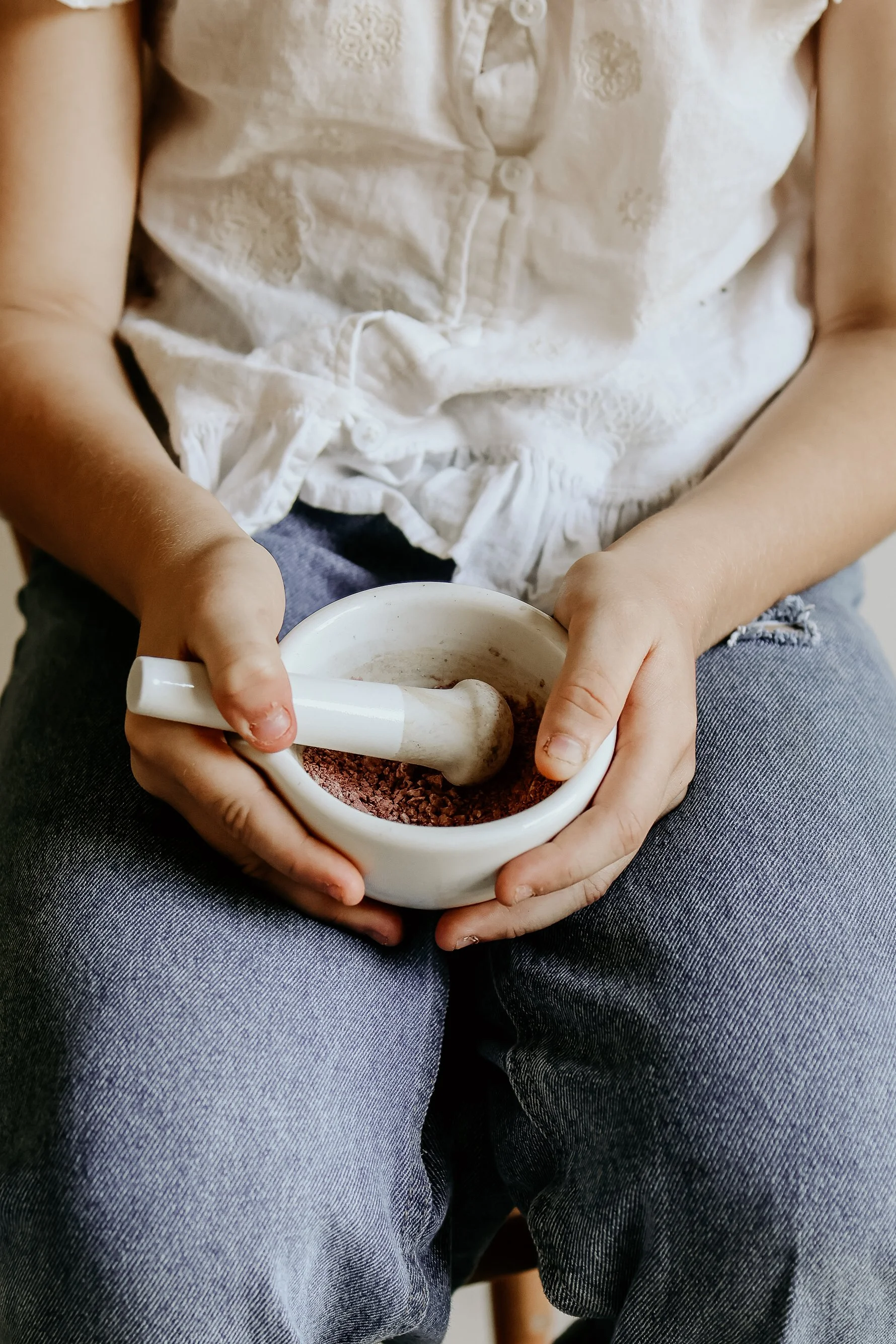
Back in the studio, the raw material is processed by hand, this is often with my daughter. The pigment is crushed, refined, and mulled with binder into paint. It’s a simple process, but one that carries a kind of alchemy — transforming earth into something that can be held, layered and worked with.
Painting with these materials creates a direct relationship between place and surface. The colour is not interpreted, it is the land itself. Each mark holds a trace of where it came from.
This way of working keeps my practice grounded. It brings a level of honesty and connection that can’t be replicated through manufactured materials. It also allows time — time to observe, to think, and to make with intention.
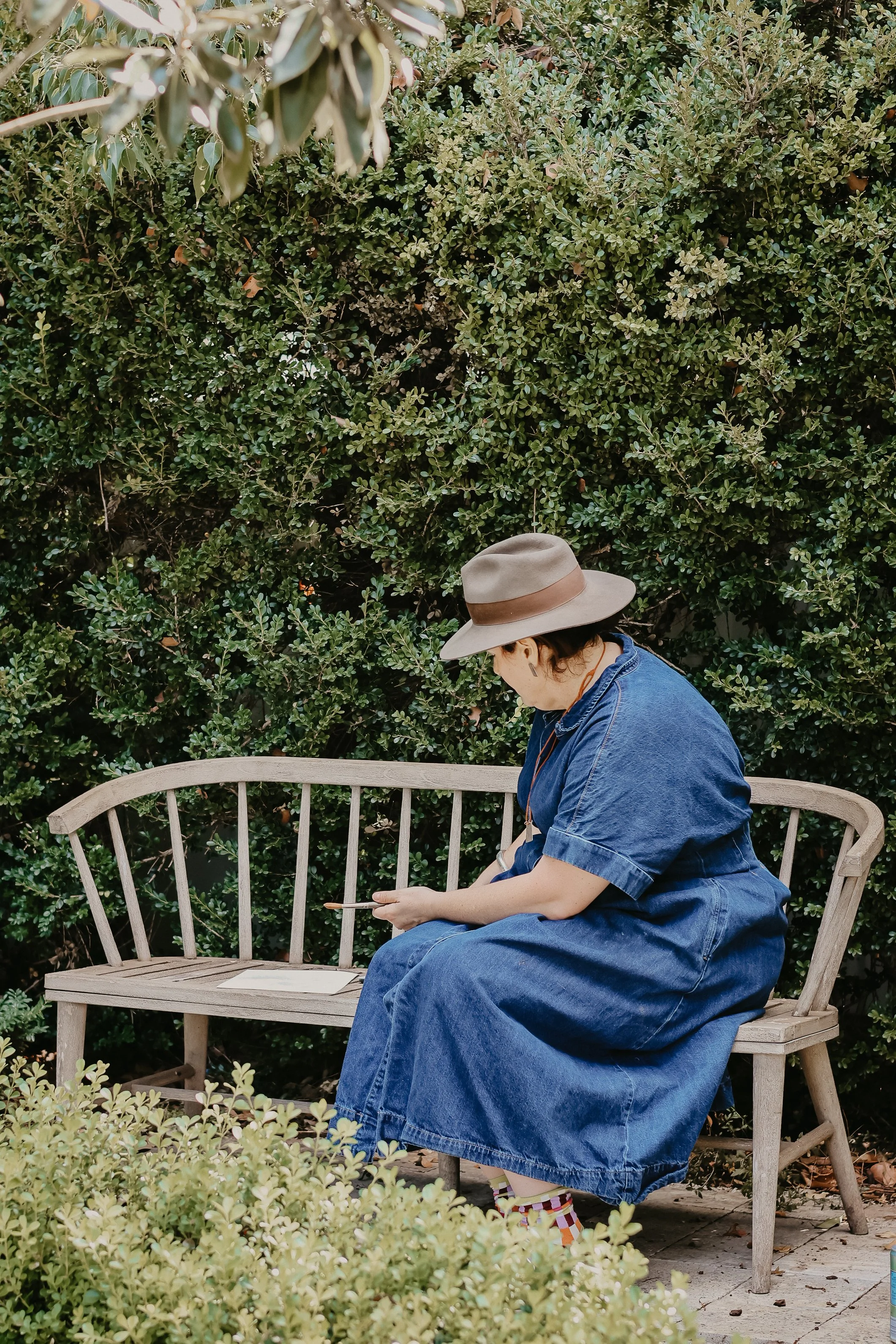
What began as a simple experiment — collecting and testing colour from the land — has become a key part of my practice. I keep returning to it, not just for the material, but for what it gives back.
This way of working gives me time — to observe, to think, and to make with intention. My art practice has come at a point in my life where I needed to slow down, focus on family, and live with a greater sense of authenticity. This process allows me to do that, while staying closely connected to place.